
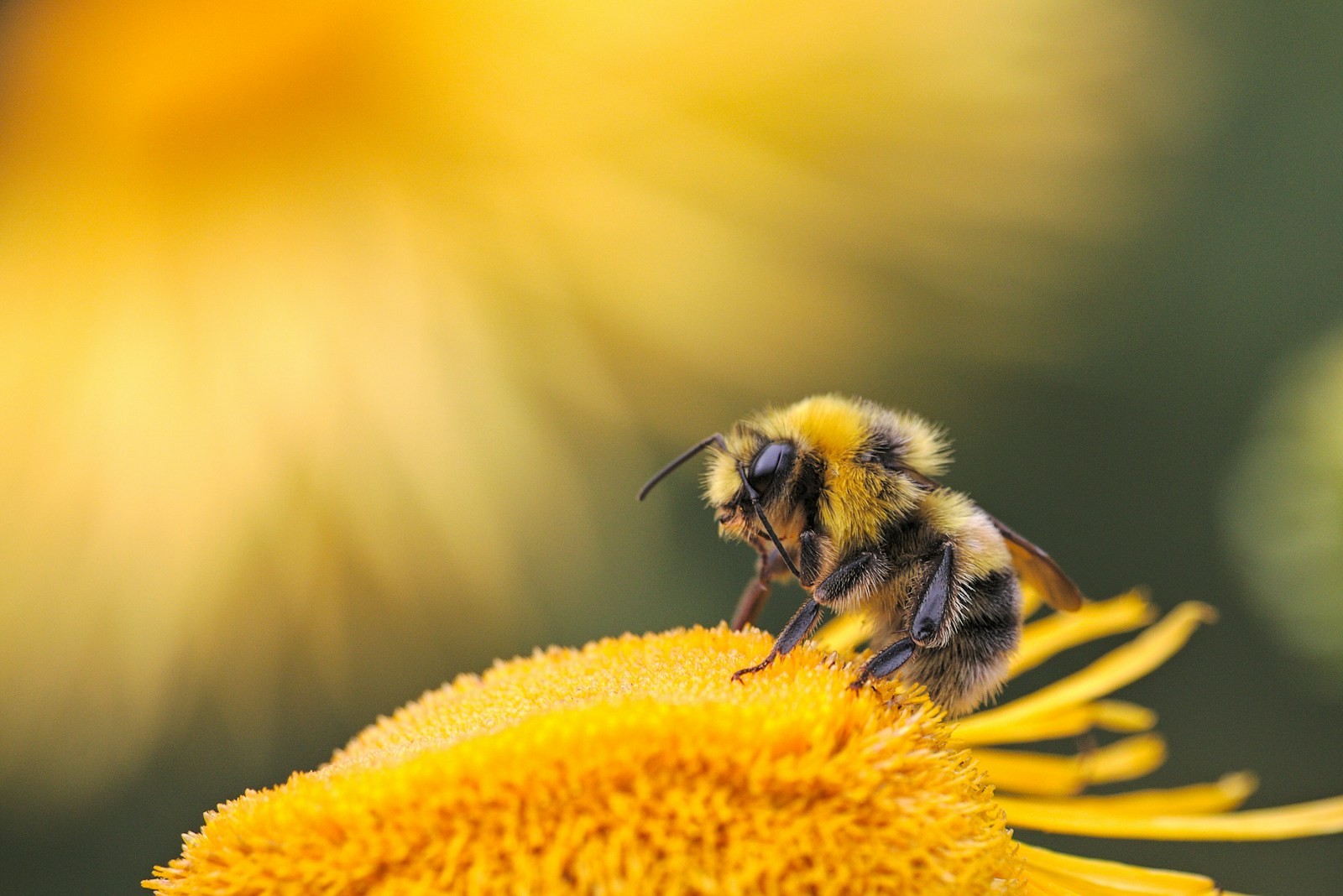
Apis Mellifera, The Honey Bee
Nature’s Tiny Superheroes
The World’s Greatest Engineers
What are Pollinators?
What are Pollinators?
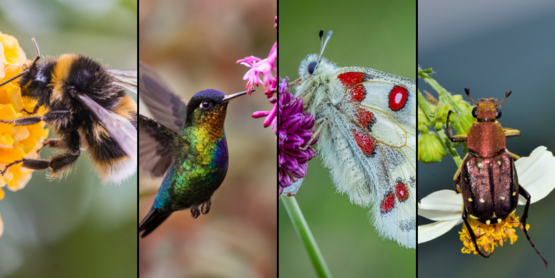
Pollinators are insects that transfer pollen to a plant to allow fertilization.
Bees, Wasps & Hornets – Oh My!
Bees, Wasps & Hornets – Oh My!
There are over 20,000 known species of bees in the world. While most people are familiar with honey bees and bumblebees, the vast majority of bee species (over 90%) are actually solitary bees that live alone, not in hives.
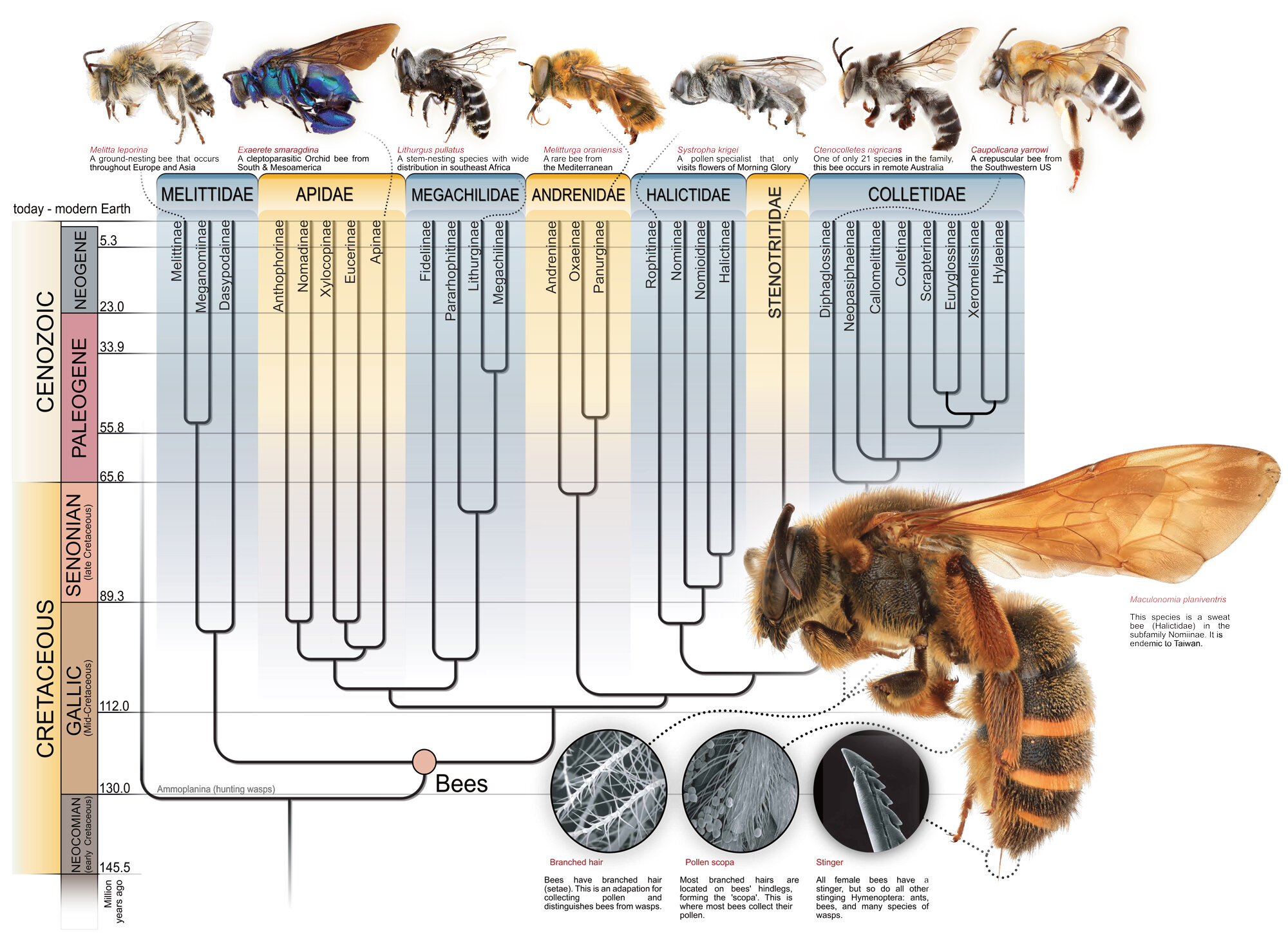
There are over 4,000 species of native bees in the United States. Within these families are numerous genera and species, each with unique characteristics and ecological roles. Native bees play a vital role in pollinating crops and native plants. While the honey bee is well-known, it is not native to North America. Native bees belong to seven recognized families: Apidae, Megachilidae, Halictidae, Andrenidae, Colletidae, Melittidae, and Stenotritidae:
- Apidae: This family is the largest and includes bumble bees, carpenter bees, and cuckoo bees.
- Bumble bees: Known for their fuzzy bodies and social behavior, bumble bees are important pollinators.
- Carpenter bees: Large bees that bore into wood for nesting, some are social while others are solitary.
- Cuckoo bees: Parasitic bees that lay their eggs in the nests of other bees.
- Megachilidae: This family includes mason bees and leafcutter bees, known for using mud and leaves for nest construction.
- Halictidae: Also known as sweat bees, this family is diverse and includes solitary, communal, and semi-social ground-nesting species.
- Andrenidae: These are ground-nesting bees, often called miner bees, due to their habit of digging nests in the soil.
- Colletidae: A small family of solitary bees, considered more primitive than other bee families.
Other Notable Native Bees:
- Squash bees: Specialize in pollinating squash, pumpkins, and other cucurbits.
- Southeastern Blueberry Bees: Primarily forage on blueberries.
- Long-horned bees: Known for their long antennae, especially in males, and their burrowing behavior.
- Orchid bees: Beautiful, metallic bees found in the tropics that pollinate orchids.
- Macropis Cuckoo Bee: One of the rarest bees in North America, associated with specific plants.
Key Characteristics to Distinguish Native Bees:
- Social Behavior: Some native bees are solitary, while others are social, forming colonies.
- Nesting Habits: Native bees exhibit diverse nesting behaviors, including ground nesting, wood nesting, and using leaves or mud.
- Size and Appearance: Native bees vary greatly in size, from tiny Perdita minima to large carpenter bees.
- Pollen Carrying: Most bees carry pollen on their hind legs, but some, like those in Megachilidae, carry it under their abdomen.
How Honey Bees Fit Into Nature
How Honey Bees Fit into Nature
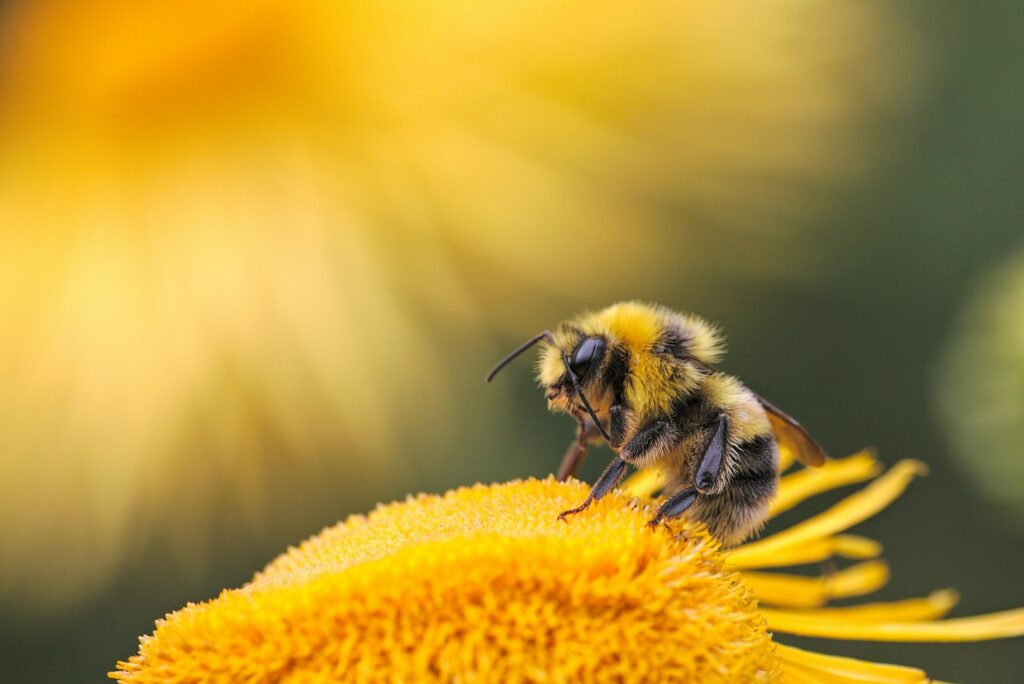
The Western Honey Bee or European Honey Bee (Apis mellifera) is the most common of the 7–12 species and 26 subspecies of honey bee worldwide. The genus name Apis is Latin for “bee”, and mellifera is the Latin for “honey-bearing.”
Well-Known Subspecies of The Western Honey Bee:
- Italian Honey Bee (Apis mellifera ligustica): Known for their gentle temperament and high honey production.
- Carniolan Honey Bee (Apis mellifera carnica): Known for their adaptability to various climates and their docile nature.
- German Honey Bee or European Dark Bee (Apis mellifera mellifera): Historically dominant in Europe, known for their dark coloration and winter hardiness.
- African Honey Bee (Apis mellifera scutellata): Known for their aggressiveness and tendency to hybridize with European subspecies.
NOTE: Subspecies can interbreed, and there can be hybrid populations, making precise classification challenging.
Beekeepers often prefer Italian and Carniolan honey bees due to their desirable traits for honey production and ease of management. Italian bees are favored for their high honey yields and relatively gentle temperament, while Carniolan bees are known for their gentle nature and rapid spring buildup.
Who's That Buzzing?
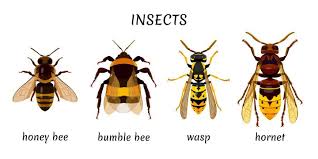
Who’s That Buzzing?
Honey bees can be identified in your garden by their golden-brown, black-banded body, and their size of about 0.5 to 0.6 inches long. They are social insects known for producing honey and play a vital role in pollination. Honey bees also have hairy eyes and flattened rear legs, especially the tibia and basitarsus. (The basitarsus is the first and often largest segment of an insect’s tarsus, the leg segment that connects to the tibia (the leg segment above it). It’s the segment closest to the body of the insect. In some insects, like bees, the basitarsus is modified for specific functions like pollen collection.)
Busy Bees Through Time
Busy Bees Through Time
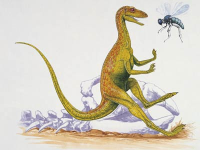
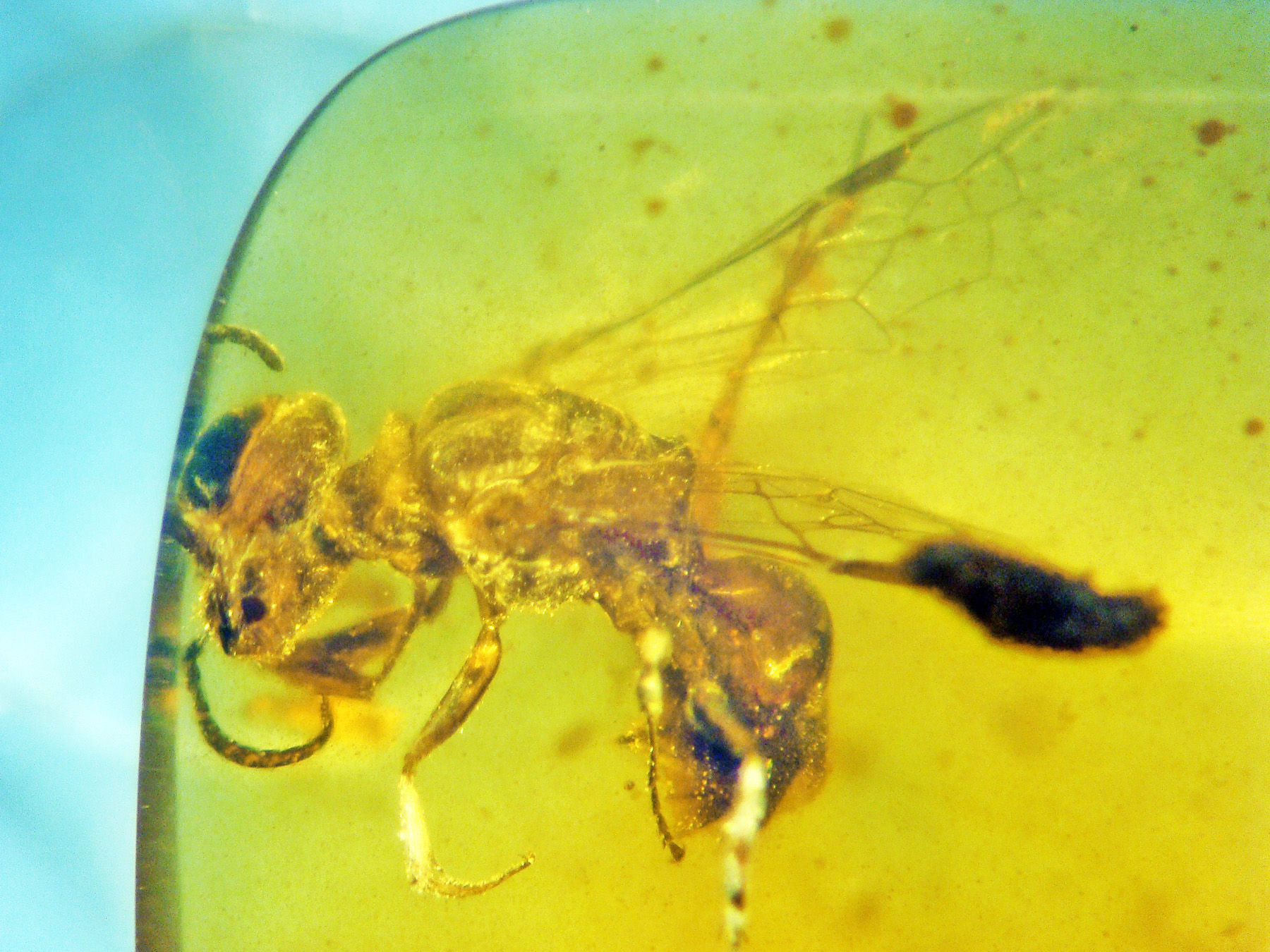
Honey bees, have been around for at least 60 million years, with the oldest fossils found dating back to the Lower Miocene period (22-25 million years ago). The genus Apis is believed to have originated in Asia. While the exact timing of the earliest honey bee species is debated, fossil evidence and genetic analysis suggest they evolved from hunting wasps during the Cretaceous period, around 146 to 74 million years ago. Here’s a more detailed breakdown:
- Early Ancestry: Bees are thought to have evolved from wasps that gradually started incorporating pollen into their diet.
- Fossil Evidence: The oldest known fossil bee, a stingless bee named Trigona prisca, dates back to the Late Cretaceous period, roughly 96 to 74 million years ago.
- Genus Apis: Fossils of the true honey bee genus Apis, like Apis dorsata and Apis florea, are found in the Lower Miocene (22-25 million years ago).
- Western Honeybee: The western honeybee (Apis mellifera) is thought to have originated in western Asia around 7 million years ago.
- Evolutionary Timeline: Bees have diversified and spread across the globe over millions of years, with various lineages developing distinct characteristics and geographic distributions.
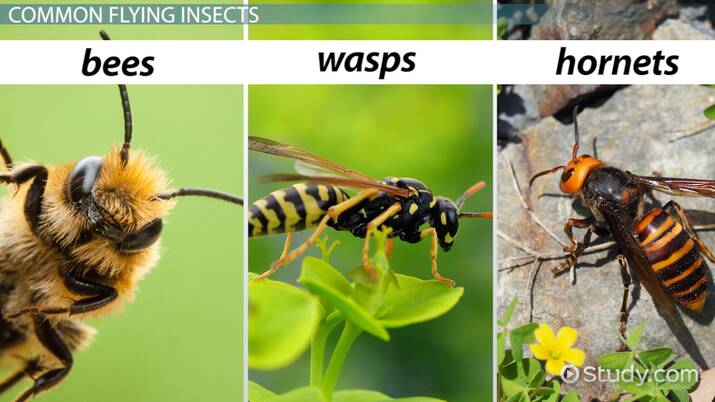
Honey bees are insects belonging to the order Hymenoptera, which also includes wasps, ants, and sawflies. Therefore, these insects are considered their closest relatives.
Bees are believed to have evolved from ancient predatory wasps, diversifying into the pollinating insects recognized today. Some entomologists refer to bees as a type of “hairy wasp”.
Wasps share a common ancestor with bees but differ in several ways:
- Diet: Bees primarily feed on nectar and pollen. Wasps are omnivores, consuming other insects, spiders, and small mammals to feed their young.
- Hairiness: Bees generally have hairy or fuzzy bodies, which helps them collect and carry pollen. Most wasps have smoother bodies.
- Stinger: Honey bees have barbed stingers and can only sting once. Many wasps have smooth stingers and can sting multiple times.
- Wasps are the most closely related insects to honey bees due to their shared evolutionary history and similar characteristics, despite differences in diet, appearance, and stinging abilities.
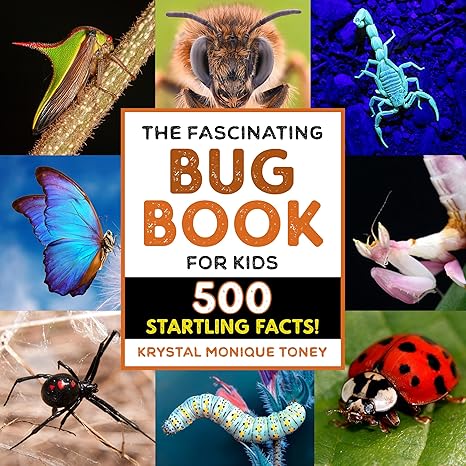
Quick Bee Facts:
- There’s over 20,000 species of bees in the world.
- There’s over 4,000 species of native bees in the United States.
- There’s 26 recognized subspecies of Apis mellifera (honey bees).
- The Western Honey Bee / European Honey Bee is the most common.
- The Western Honey Bee subspecies: Italian, Carniolan, German, African
- Beekeepers often prefer Italian and Carniolan honey bees
7 levels of detailed classification for a honey bee:
Scientific name: Apis Mellifera
Kingdom: Animalia (Animals)
Phylum: Arthropoda (Arthropods – insects, crustaceans, etc.)
Class: Insecta (Insects)
Order: Hymenoptera (Ants, bees, wasps, and sawflies)
Family: Apidae (Bees)
Genus: Apis (Honey Bees)
Species: Apis Mellifera (Western Honey Bee)
Average Lifespan of the Honey bee: 30-60 days